How to Adapt to Wardogs Season 2 Rain and Survive the New Weather
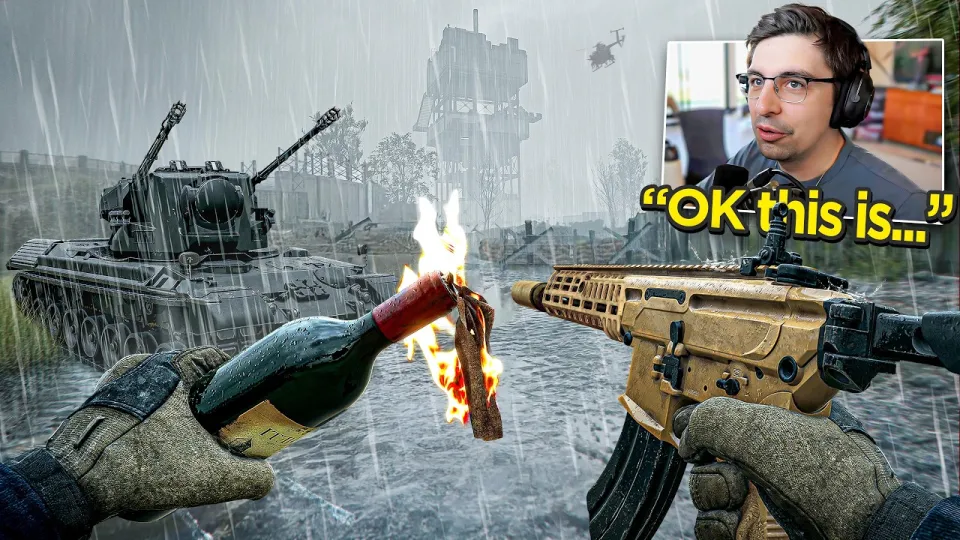
Video: Wardogs Is a Completely Different Game Now...
Want articles like this for your own video to promote it on YouTube and Google? Order them through the Telegram bot @sat_sit_bot. Articles with your video embedded are written and posted by the bot itself — on popular topical sites (no ads). Free trial — 50 articles.
· based on the channel shroud
Wardogs Season 2 has changed the game's weather system, and the new rain is the single biggest shift. To adapt, you need to change how you see the map, how you pick fights and which ammo you load: visibility drops hard, sniping loses most of its value, and hollow-point rounds aimed at the legs become the answer to armored opponents. The full session is captured in shroud's breakdown, and you can catch the companion audio show through this Spotify podcast link.
What the rain actually changes in Wardogs Season 2
The rain is not a cosmetic filter; it rewrites the rules of engagement on every outdoor fight. According to players who spent hours in the new weather, targets become hard to identify at around 190 meters even with good optics, which effectively kills long-range sniping as a reliable playstyle. Rain streaks on windshields, fog layers and reduced contrast all push fights closer, and that favors players who move deliberately and clear angles instead of holding a distant line.
Practical effects to plan around:
- Long sightlines are gone. Treat anything past medium range as a scouting distance, not a shooting distance.
- Sound matters more. With visuals muffled, footsteps and gunfire direction become your primary information.
- Thermal and infrared optics gain value, since they cut through the weather better than plain glass.
- Rotations get riskier. Moving in the open during heavy rain means you may not see the squad that sees you.
How to fix the "shoot the legs" problem
The most common mistake in the new season is loading the right ammo and then aiming at the wrong body part. Hollow-point (HP) rounds punish unarmored limbs, so against a target in body armor the legs are the target, not the chest and not the head. The pattern shows up constantly: a teammate calls out to shoot legs, the player acknowledges, then dumps the whole magazine into the torso and blames the weapon.
A simple routine that fixes it:
- Confirm your ammo type before the fight, not during it. If you are running HP, commit to limb shots.
- Aim low by default at close range. Recoil will walk your shots up into the torso anyway.
- Do not judge a gun by a fight you lost to your own aim. A weapon that feels "the worst in the game" often just received the wrong bullet placement.
- Repack magazines before you push, never mid-drop. Opening your inventory while falling into a building is how you die to the person who just shot you.
Positioning and squad play in heavy weather
Numbers do not win rainy fights as reliably as coordination does. A large lobby of 20 or more players is usually not one organized group in a single voice chat; it is a crowd of separate players reacting on their own. A six-player squad that shares callouts, covers the same angles and pushes together can out-trade a bigger, disorganized force, especially when the weather hides movement.
Use the rain as cover for the things you could not do in clear weather: cross open ground, flank wide, and reset a fight you were losing. On maps with towers and bridges, expect contested chokepoints to become meat grinders, because everyone is funneled into the same short sightlines. Pick a building, hold it, and force the other squad to come to you through the weather.
Typical questions from players trying the new weather
Three doubts come up again and again after the first rainy sessions. First, whether the rain "gutted" sniping: it did reduce it heavily, and players who built their whole game around a scope need a close-range backup plan. Second, whether infrared goggles are now mandatory: they are not mandatory, but they are clearly stronger in rain than in clear conditions, so keep a pair in the loadout if you expect open-ground fights. Third, whether big groups are unbeatable: they are not, because most large lobbies are not actually coordinating, and a tight squad with shared callouts wins the information war.
One more thing worth internalizing: health panic is real. Players who call out "I'm one HP" at ten health and "literally one HP" at three health make worse decisions, not better ones. If you are low, break contact, heal behind cover, and re-enter the fight with a full magazine and a clear plan.
Useful links from the session
- Spotify podcast show — the companion audio show.
- Logitech G — peripherals, with a promo code mentioned in the stream.
- Maingear — the custom PC build reference.
- shroud on Twitter and shroud on Twitch — live streams and updates.
Bottom line on Wardogs Season 2 rain
The rain is the most meaningful change Wardogs has made to its moment-to-moment combat: it shortens engagement ranges, weakens sniping and rewards squad coordination over raw numbers. Adapt by carrying the right ammo, aiming at legs against armor, keeping thermal optics handy and refusing to open your inventory in the middle of a push. If you want more of this kind of breakdown, the shroud channel is where the full rainy session and the reaction to it live, and you can follow along with the Spotify show for the audio side.
Key takeaways
- Season 2 of Wardogs introduced intense rain weather that limits visibility beyond roughly 190 meters.
- HP (hollow-point) ammo is the key counter to armored targets: aim at the legs instead of the torso or head.
- Rain heavily nerfs sniping and makes infrared goggles more valuable for spotting enemies.
- Squad communication in one voice chat is a bigger advantage than raw numbers in large lobbies.
- Shroud's channel streamed the first rainy session in Wardogs Season 2 on October 17.
Source: Wardogs Is a Completely Different Game Now... · Markdown version
Questions & answers
Does the rain make sniping useless in Wardogs Season 2?
It does not make it useless, but it heavily reduces its reliability. Players report that targets become hard to see at around 190 meters even with good optics, so long-range holds are much less consistent. A close-range backup weapon and thermal optics help offset the loss.
Why do players keep dying after being told to shoot legs?
Because they load hollow-point ammo but still aim at the torso or head, where body armor absorbs the damage. HP rounds are meant for unarmored limbs, so the fix is to aim low by default and let recoil carry shots upward. Blaming the weapon after a bad bullet placement is the usual mistake.
Are infrared goggles stronger in the rain?
Yes. Since rain reduces contrast and visibility at distance, thermal and infrared optics cut through the weather better than plain glass. They are not mandatory, but they are noticeably more valuable in rainy open-ground fights than in clear conditions.
Can a small squad beat a 20-player lobby in Wardogs?
Often yes, because large lobbies are usually not one coordinated group in a single voice chat. A six-player squad sharing callouts, covering angles and pushing together has a real information advantage. Coordination beats headcount when the weather limits visibility.